













December 04, 2025
0 comments


Home wellbeing features are shifting from luxury to highly sought-after upgrades. As European homeowners rethink comfort and wellbeing at home (especially after 2020), amenities such as saunas, cold plunges and high-quality hot tubs are climbing buyers' wish lists.
But do these wellbeing upgrades actually raise property value or resale appeal? This in-depth look at the European housing market (with a focus on Spain, Portugal and France) explores how adding a sauna or similar spa feature can affect your home's value, its marketability and rental income potential. We'll review the data on return on investment (ROI), buyer preferences and expert perspectives across different home segments — from mid-range family houses to luxury villas and even short-term rentals.
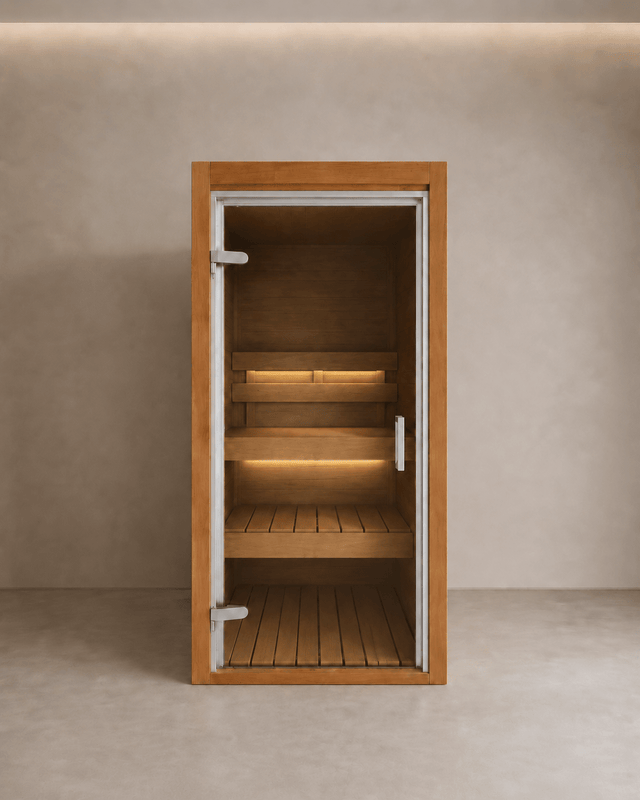
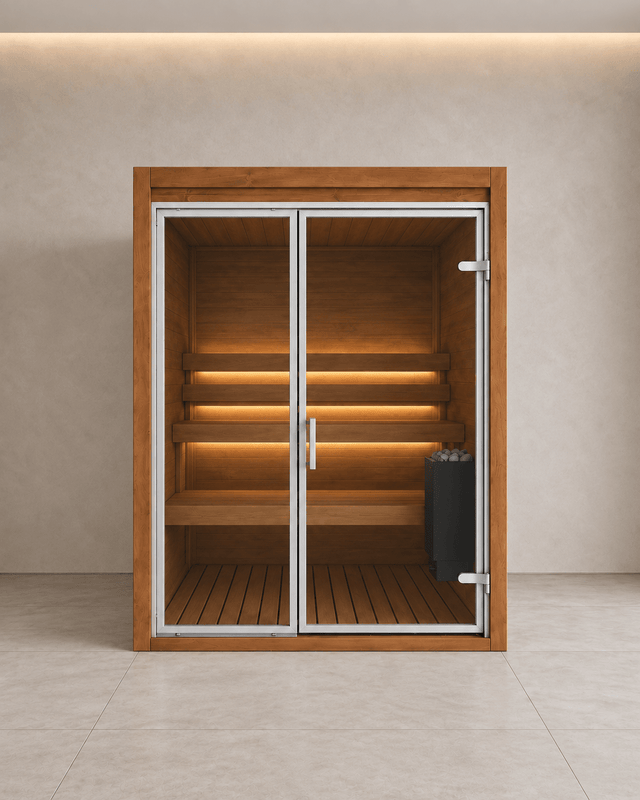
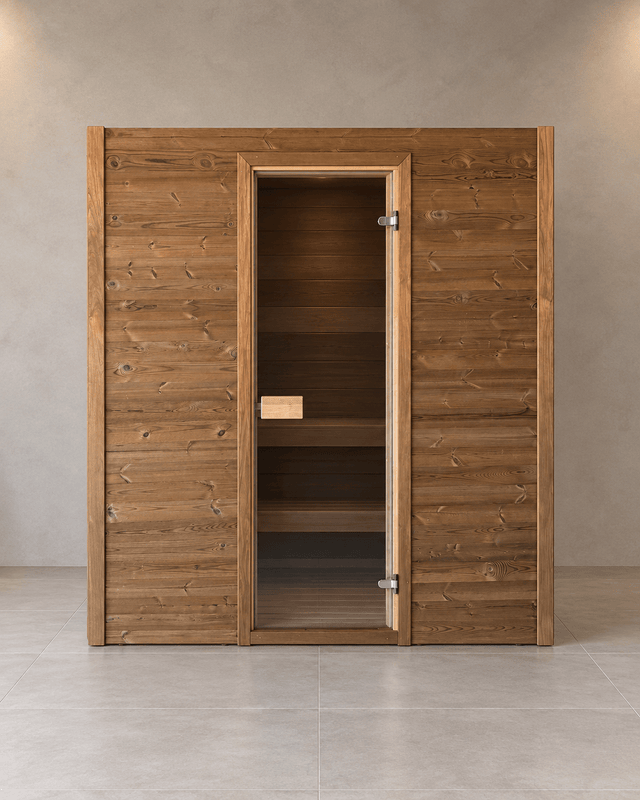
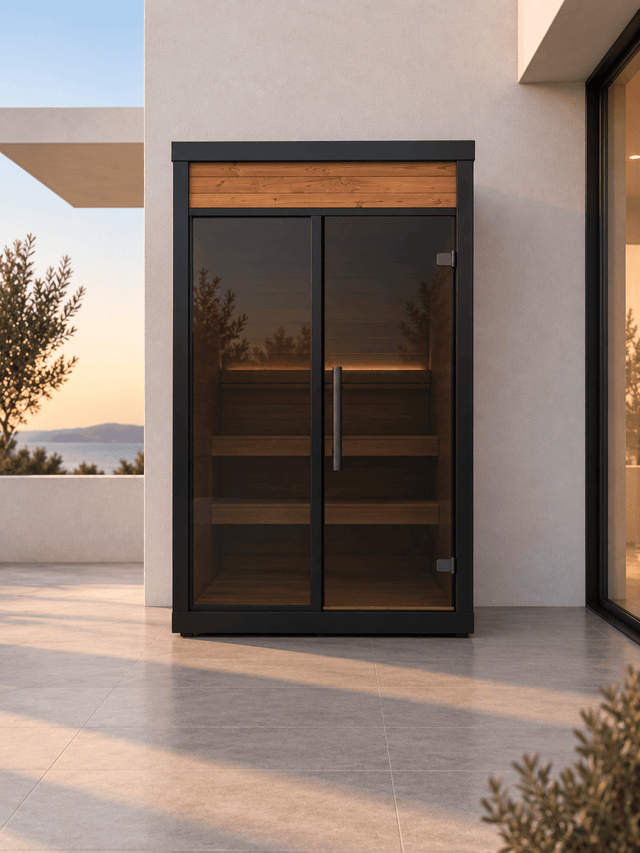
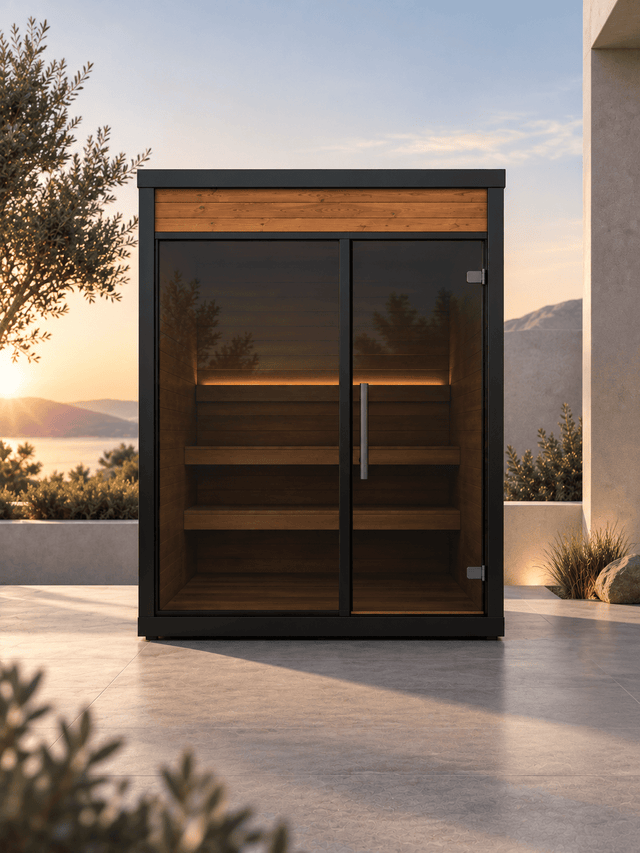
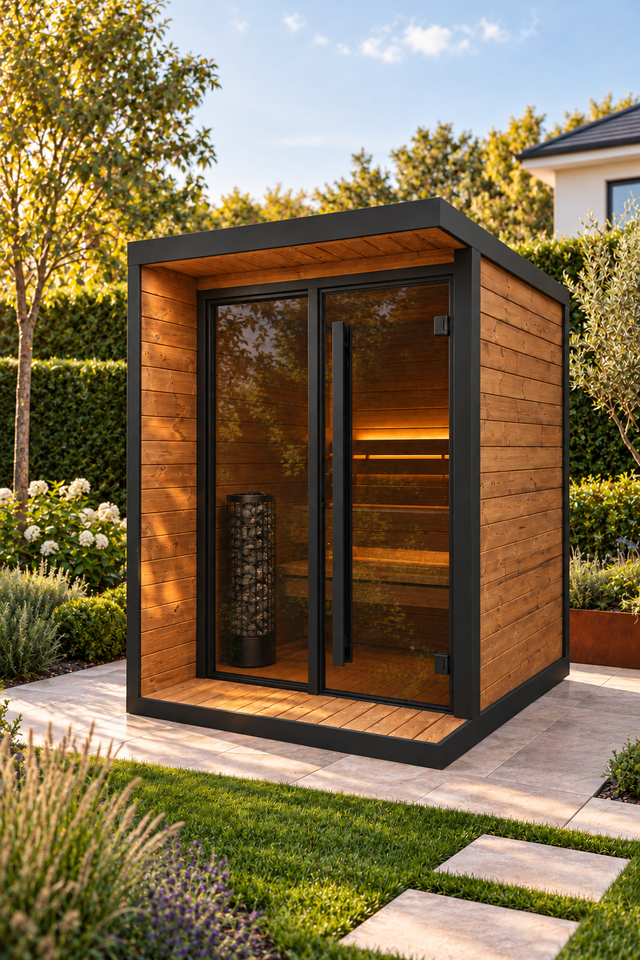
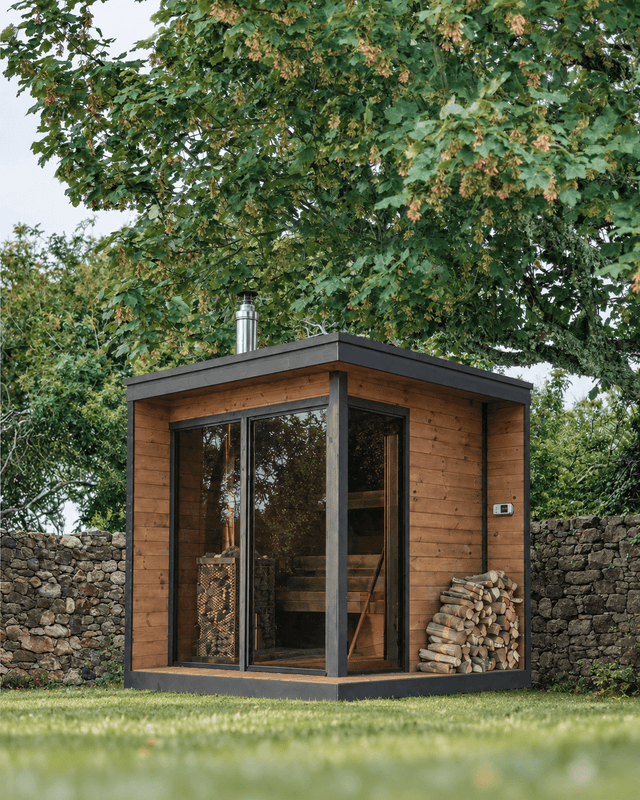
Sauna installation for a Saunamo client. Want a quote for your sauna project? Click here.
Wellbeing features and home value: a growing trend
Home wellbeing amenities have been gaining ground. In fact, "homes and communities designed around wellbeing" are commanding meaningfully higher prices — 10% to 25% more in resale value — compared with conventional properties[1]. This figure (from the Global Wellness Institute, 2023) underlines a wider trend: buyers are willing to pay more for features that make them feel healthier and more relaxed in their living spaces. It's no longer just about a home that looks good; it's about a home that contributes to physical and mental wellbeing[1].
Several studies confirm this shift. A national 2025 study found that wellbeing is the leading driver of purchase decisions for home buyers, with many even willing to give up square footage or garages if it means a healthier living environment[2]. Similarly, a 2022 survey by the National Association of Realtors (NAR) revealed that nearly 70% of buyers are willing to pay more for homes with health-focused features such as advanced air filtration, soundproofing or dedicated spaces for exercise[3]. Clearly, wellbeing is no longer a niche preference; it's a mainstream priority shaping property decisions.
Why this sudden emphasis? Industry experts point to the lasting impact of the COVID-19 pandemic. Extended time at home prompted owners to invest in personal wellbeing infrastructure (gyms, spas, meditation rooms), and post-2020 buyers are "reconsidering how to live well" at home[4]. "Since Covid, the world has taken a deep breath and reconsidered how to live well," notes a Knight Frank agent, observing a wave of clients seeking nature-, health- and mindfulness-related features in properties[4]. That mindset shift has elevated amenities such as saunas, yoga studios and spa-style bathrooms from nice-to-haves to genuine selling points, especially in the luxury market. Knight Frank's 2025 research with wealthy European buyers shows that wellbeing is at the top of the agenda, with luxury home developers routinely fitting extensive spas and high-spec gyms to meet demand[5][6].
How wellbeing amenities add value
It's worth distinguishing perceived value from direct monetary value. Wellbeing upgrades tend to raise the desirability of a home — which can translate into a higher sale price or a faster sale in the right market — even when the financial return isn't 100%. Think of a home sauna or a designer bathroom as features that tip the scales for discerning buyers. As a luxury item, a sauna usually carries a "high perceived value": many buyers overestimate its cost, so a home fitted with one feels more refined[7]. If your installation costs were moderate, the perceived added value in buyers' eyes can outstrip what you spent[7].
According to global research from Knight Frank, the rising demand for home wellbeing is leading developers to include amenities that would have been rare a decade ago. New luxury developments now offer not just pools, but full wellbeing centres — from traditional saunas and steam rooms to cryotherapy chambers and meditation gardens[8][9]. The effects on value are tangible: one analysis found that, in planned wellbeing communities, resale prices are 12% higher than in conventional neighbouring communities[10]. Even for individual homes, being part of the "wellbeing real estate" trend is generally tied to a higher price. Realtor Magazine reports that homes with holistic wellbeing design elements have been reselling with the 10–25% uplift mentioned above[1].
In Europe, where health and leisure carry cultural weight, wellbeing features can be especially valued. Consider the Finnish sauna tradition — in Finland, a home without a sauna is almost unheard of, and buyers simply expect there to be one[11]. While Finland is an extreme example, it illustrates how market norms matter: in regions where private spas or saunas are common (or becoming fashionable), not having one can even be a drawback at the upper end of the market. Conversely, in markets where they are still rare, adding a sauna sets your property apart as a luxury offering. Barrel sauna installation for a Saunamo client. Want a quote for your sauna project? Click here.
European market perspectives: Spain, Portugal, France (and beyond)
Let's focus on Europe — particularly Spain, Portugal and France — where climate, culture and buyer demographics shape how wellbeing amenities affect value.
Spain: sun, pools — and now saunas?
The Spanish housing market offers a striking case of outdoor wellbeing amenities raising value. Traditionally, the must-have feature across much of Spain is a swimming pool, due to the warm climate. Data from idealista (Spain's leading property portal) shows that having a pool can substantially raise a home's market value. Apartments with pool access are listed at an average price 91% higher than comparable units without[12]. In some cities the premium is even larger — in Barcelona, an apartment with a pool is priced 160% higher than one without[13]. While part of that gap reflects newer, smarter developments (which tend to include pools) compared with older buildings, it underlines that Spanish buyers see private or shared pools as a true luxury. Even in Madrid — where new builds have added more pools in recent years — properties with a pool still cost roughly 14% more than those without[14].
Beyond pools, saunas and hot tubs haven't historically been as common in Spanish homes, but interest is growing. In sunny coastal areas like the Costa del Sol or the Balearic Islands, high-end buyers (often international) are bringing wellbeing expectations with them. "Marbella is emerging as a Mediterranean sanctuary for those seeking a different kind of wealth: health," says a Knight Frank associate, referring to the boom in wellbeing clinics, yoga studios and luxury spas in the region[15]. Luxury villas in Spain's tourist areas now routinely advertise features such as indoor spas, jacuzzis (hot tubs) and saunas as part of the package. These additions help a property stand out in listings — particularly for northern European buyers, for whom a home sauna is an attractive touch for winter visits.
Hard data on saunas raising house prices in Spain is still limited (the trend is relatively new), but industry voices are upbeat. The Idealista news portal in Portugal (which often covers trends that apply across the Iberian Peninsula) recently stated that having a home sauna "raises resale value" and makes a property more appealing in the luxury segment[16]. They emphasise that it's an increasingly sought-after amenity, not a frivolous extra[16]. In other words, a sauna can lift a Spanish luxury home into a different tier of buyer appeal. This is especially true for high-end second homes aimed at wellbeing-focused individuals. A seafront penthouse in Ibiza with a sauna and private pool, for example, will generate excitement (and likely receive competitive offers from wellbeing-minded buyers), whereas the same property without those features may feel under-specified to that niche.
It's also worth noting Spain's short-term rental market: holiday villas with spa-like amenities can charge a premium with tourists. A rural farmhouse with a hot tub, or a Canary Islands villa with a sauna and sea view, can justify higher nightly rates and stand out on rental platforms. We'll dig into rentals shortly, but from a value standpoint, if an amenity raises rental income it can indirectly raise the property's valuation for an investor.
Portugal: embracing wellbeing at home
Portugal's luxury housing market mirrors many of the Spanish trends. Affluent buyers in areas like the Algarve, Cascais or the Douro Valley are increasingly drawn to homes that include private wellbeing facilities. The Portuguese climate — mild winters in the south and cooler, wetter winters in the north — makes the idea of a cosy home sauna appealing for both permanent residents and expats.
Industry commentary in Portugal stresses that a sauna is seen as a marker of exclusivity. "Having a sauna at home... makes your home more attractive in the luxury segment," notes the Portuguese edition of idealista — a home sauna makes your property more appealing in the luxury segment[17]. It's a feature only a few homes offer, so it stands out in listings. Luxury buyers in Portugal — local or international — often look for that exclusivity. A restored quinta on the outskirts of Lisbon with modern wellbeing additions (sauna, gym, infinity pool) can attract significantly higher offers than one without, because it pairs rustic charm with contemporary luxury living.
It's worth mentioning that wellbeing real estate in Portugal isn't limited to individual homes — developers are building entire wellbeing-focused communities (much like in the US). These include shared spas or club facilities with saunas and hydrotherapy pools to attract health-minded buyers. While data is scarce, anecdotal evidence from estate agents in Lisbon and Porto suggests that properties in wellbeing-branded developments achieve higher prices per square metre than standard ones.
France: luxury expectations — from the Alps to the Riviera
In France, wellbeing amenities carry different weight depending on region and market segment. For luxury chalets in the French Alps, full spa facilities (sauna, steam room, hot tub) are now practically expected. "Today's luxury property buyers expect to find complete spa and wellbeing facilities in their chalets," notes Roddy Aris, head of Knight Frank's Alpine network[6]. In resorts like Courchevel or Val d'Isère, a chalet without a sauna or steam room can struggle in the luxury segment of the market. These wellbeing amenities have become as essential as a home cinema or wine cellar in setting a €10 million Alpine property apart. They may not raise the price beyond the prevailing rate, but not having them can reduce buyer interest or require a price discount to offset the cost of fitting them later. In short, in the French luxury ski market, saunas add marketability — they meet buyer expectations and so protect property value.
Meanwhile, in Provence and the French Riviera, the wellbeing trend takes shape in slightly different ways. The focus is often on outdoor wellbeing: pools (standard for luxury villas), outdoor hot tubs overlooking the Mediterranean, and even amenities like yoga pavilions or massage rooms. For French properties, it's the lifestyle package that adds value. A villa in Saint-Tropez with a designer spa bathroom (for example, a freestanding bath, rain shower and sauna) and an outdoor pool can command a higher price than one with a basic 1990s bathroom and none of those features. Traditionally, French buyers have been attentive to health retreats (think of France's history with thermal-spa towns). Since the pandemic, even French buyers are showing more interest in homes that offer a retreat-like atmosphere — whether a Paris apartment with a private steam room in the master bathroom or a country house in Provence with a sauna and hydromassage pool for relaxation.
It's telling that developers in urban France are adding shared wellbeing facilities to new luxury apartment projects. In Paris and other major cities, premium condominium buildings now advertise shared amenities such as gyms with saunas, on-site spa services and so on, to attract buyers (much like the New York trend). These additions have boosted off-plan sales and let developers charge premium prices per square metre, because they meet demand for "healthy living."

This sauna with cold plunge was installed for a Saunamo boutique hotel client. Want a quote for your sauna project? Click here.
How saunas, cold plunges and spa features raise rental income: short- and long-term perspectives
Beyond personal enjoyment or resale value, wellbeing features such as saunas, cold plunges and hot tubs can meaningfully affect a home's rental performance — both in the short-term holiday market (Airbnb, Vrbo, Booking) and in long-term lets. As traveller expectations evolve and wellbeing tourism grows, these amenities are becoming genuine differentiators that can justify higher rental rates, improve occupancy and lift guest satisfaction.
The short-term rental advantage
1. Higher nightly rates and revenue
Platforms like Airbnb and Vrbo let guests filter properties by specific amenities, including saunas and hot tubs. According to AirDNA data:
- Listings with hot tubs or spa baths earn, on average, 20–30% more on nightly rates.
- Properties with wellbeing-related keywords (for example, "private sauna," "cold plunge," "spa retreat") perform considerably better in the off-season.
- In mountain and ski areas, saunas are among the most-searched amenities and can lift winter bookings by up to 35%.
2. Competitive differentiation
In crowded rental markets, standing out is everything. A private infrared sauna, a cold plunge on the terrace or a luxurious spa bathroom instantly add personality to your listing, especially in wellbeing-focused destinations such as:
- The Alps, Pyrenees and Dolomites
- Ibiza, Costa Brava and the Algarve
- The French countryside, Tuscany and wellbeing properties near Lisbon or Málaga
Guests are increasingly seeking experiential stays rather than simple accommodation. Listings that promise a cold plunge after a hike or a morning sauna ritual feel like more than just a place to sleep — they become a mini retreat.
3. Better guest reviews and repeat bookings
Wellbeing amenities often translate into better guest experiences, which leads to higher ratings and repeat visits. Happy guests are more likely to leave glowing reviews that mention the spa amenities, helping your listing rank better in search results. These reviews often read like:
"The sauna and hot tub were the highlight of our stay — we used them every night."
Or:
"I loved the cold plunge after a day at the beach. The spa atmosphere made it feel like a real escape."
Positive emotional moments build loyalty — and profitability.
4. Stronger year-round appeal
Wellbeing amenities extend your seasonality. A hot tub or sauna makes a summer home appealing in the colder months, and ski chalets with saunas or cold plunges remain attractive long after peak ski season. That reduces vacancy and lifts total annual revenue.
Long-term rentals: value for tenants and owners
1. Premium pricing for health-led living
Tenants increasingly look for rentals that support a wellbeing lifestyle. A home with a private sauna or spa-style bathroom often justifies a 5–15% premium over standard properties, particularly in higher-income areas or among expat tenants. The rise of remote work and the stay-at-home culture has made "home wellbeing" a year-round priority, not a seasonal luxury.
2. Attracting stable, high-value tenants
Professionals, digital nomads and semi-retired tenants seeking long-term lets are willing to pay more for comfort and health-supporting environments. A home with a built-in sauna, infrared cabin or hot tub may not only let more quickly but also attract tenants who value the property and stay longer, reducing turnover and vacancy.
3. Differentiation in the market
In competitive rental areas, offering a unique wellbeing angle can give your property a marketing edge. Listings featuring phrases like "unwind in your own sauna" or "a private spa for your daily downtime" tend to outperform on engagement, even in the long-term market.
Conclusion
For both short-term hosts and long-term landlords, adding wellbeing amenities is more than just aesthetics — it's a revenue strategy. Saunas, hot tubs and cold plunges lift your property into the wellbeing category, which increasingly carries a price and booking advantage across Europe and beyond. When marketed well, these features often pay for themselves over a few seasons, through more bookings and higher revenue per stay.
Key takeaways and tips
-
Wellbeing amenities raise appeal: Features like saunas, steam rooms, cold plunges and spa-style bathrooms make a home more attractive to today's buyers, who prioritise health and relaxation. In the luxury segment, they are often expected and can be selling points that justify higher prices (Knight Frank, 2025[6]). Even in mid-market segments, they can help a property stand out.
-
Short-term rental advantage: If you let your property on Airbnb/Booking, amenities like hot tubs and saunas can meaningfully raise rental income — in the order of 10–20% more on nightly rates and around 30% more in overall revenue across many markets[29]. That not only offsets the installation cost over time, but can also make your property more valuable to future investors. Consider wellbeing upgrades if you use your property for holiday rentals, especially in competitive tourist areas — they can recover the investment quickly through rental returns.
- Wellbeing is a lasting trend: This isn't a passing fad. Indicators from real estate consultancies and institutes show that the "wellbeing real estate" movement is growing year on year, now a global sector worth more than $500 billion[33]. Buyer awareness of health-led design is at an all-time high. Installing a sauna or similar feature now can make your home even more relevant and desirable in the years ahead, as the trend continues.
In short, adding a sauna or a luxury wellbeing feature to your home in Europe can raise its perceived value and appeal, especially with health-focused audiences or in luxury markets. It's a lifestyle investment that can pay dividends in attracting buyers (or tenants) and potentially reaching a premium price. As with any home improvement, the quality of the installation and the context are everything. When done well, a home sauna can be both a personal retreat and an addition that strengthens the value of your property's feature set.
If you're thinking about enhancing your home with a sauna or spa, be sure to look at local property trends and perhaps speak to a valuer or estate agent about your specific market. And, of course, factor in the personal wellbeing benefits — they "earn their keep" on their own, as any sauna enthusiast can attest. Ultimately, a well-chosen wellbeing upgrade can make your home more enjoyable now and more marketable in the future, which is good news for any homeowner.
Interested in adding a wellbeing feature to your home? Explore our curated collection of luxury home saunas to find the right fit for your space.
Sources
- Knight Frank. (18 June 2025). Why wellbeing is a priority for European home buyers. Knight Frank — The View (UK). Accessed 4 December 2025. [6][4]
- Global Wellness Institute / REALTOR® Magazine. (16 October 2025). Wellbeing trend drives real estate prices. (M. D. Tracey, REALTOR® Mag). Accessed 4 December 2025. [1][2]
- idealista (Press release). (20 August 2025). Buying a flat with a pool in Spain involves an extra cost of 91%. idealista Press Room. Accessed 4 December 2025. [12][14]
- idealista/news Portugal. (28 November 2025). Luxury homes with a sauna to make the most of cold days. (V. Jesus). Accessed 4 December 2025. [16]
- Lucas Fox International. (15 November 2024). The global rise of wellbeing and its effect on real estate. Lucas Fox Market Trends. Accessed 4 December 2025. [3][34]
- Sharkey, S. (25 October 2025). Americans are paying up to $10,000 to install home saunas — but are luxury property buyers raising their homes' value? Moneywise. Accessed 4 December 2025. [22][23]
- Business Insider. (5 October 2025). Home saunas have become popular among wealthy homeowners (No sauna? No deal.) (A. Warren, Insider). Accessed 4 December 2025. [9]
- Brown, A. (2 January 2025). Do hot tubs increase Airbnb bookings? HomeTeamLuxuryRentals Blog. Accessed 4 December 2025. [29][28]
- Glover, E. (5 November 2021). Do saunas add value to your home? Forbes Advisor (republished on Nasdaq.com). Accessed 4 December 2025. [7][26]
- Knight Frank. (8 September 2025). Focus on health — Wellbeing at home (Knight Frank Research). Accessed 4 December 2025. [27][8]
(All sources accessed 4 December 2025.)
[1] [2] [10] [25] [33] Wellbeing trend drives real estate prices
[3] [34] The global rise of wellbeing and its effect on real estate
[4] [5] [6] [8] [15] [27] European property buyers prioritise wellbeing | Knight Frank UK
[7] [11] [20] [21] [24] [26] Do saunas add value to your home? | Nasdaq
https://www.nasdaq.com/articles/do-saunas-add-value-to-your-home-2021-11-05
[9] [18] Home saunas have become popular among wealthy homeowners — Business Insider
https://www.businessinsider.com/home-saunas-new-luxury-status-symbol-2025-10
[12] [13] [14] Buying a flat with a pool in Spain involves an extra cost of 91% — idealista
[16] [17] Homes with a sauna: a new definition of luxury — idealista/news
[19] Are "biohacking" amenities popular, but a smart investment?
https://www.realtor.com/advice/buy/biohacking-amenities-home-value/
[28] [29] [30] [31] [32] Do hot tubs increase Airbnb bookings?
https://hometeamluxuryrentals.com/do-hot-tubs-increase-airbnb-bookings
Explore our products
Discover our cold plunges — Scandinavian design for your wellbeing routine:
Related post

How much does it cost to run an electric sauna at home in Europe — and how Saunamo helps lower yours

Healthy home saunas: how to avoid harmful materials and protect indoor air quality under heat
More than just a home: do saunas and spas raise property values in Europe?

From Heat to Rest: How the Sauna Helps You Sleep Deeper


