













February 25, 2024
0 comments


Spa, Jacuzzi, hot tub — all common terms, but with important differences. Although they're often used interchangeably, Jacuzzi is a specific brand, while hot tub and spa are more generic terms. They all describe a heated-water vessel, with or without features like jets and bubblers, but the distinctions matter.
The main differences between hot tubs and spas come down to how they're used. Spas are usually freestanding or in-ground installations that offer wellbeing treatments beyond water therapy. Hot tubs tend to be portable, with their own plumbing and electrical controls.
Now let's look at each in more detail.
What is a SPA?
The word "spa" comes from the Latin "Salute Per Aqua" — "health through water". Using thermal waters for therapy and relaxation goes back to the Romans, Greeks and Egyptians, who all recognised the therapeutic benefits of natural mineral waters and used them for healing baths and purification rituals. Over time, spas evolved to include not only thermal bathing but a range of holistic treatments, massages and therapies — and became destinations for relaxation, recovery and wellbeing.
The term "spa" can describe many kinds of water treatments and facilities, including resorts with mineral-rich thermal springs. In the context of hot tubs, "spa" usually refers to models with powerful jets for massage and hydrotherapy.

What is a Jacuzzi?
Jacuzzi is a registered trademark for jetted tubs and spa equipment. Founded in 1956 by the Jacuzzi brothers, the brand transformed hydrotherapy with the invention of the first underwater pump to relieve joint pain. In the decades that followed, it developed the first jetted hot tubs and larger tubs designed for several people. Today, Jacuzzi tubs are a byword for luxury and relaxation, found in hotels, spas and homes.

What is a hot tub?
A hot tub is a large vessel of heated water used for relaxation or hydrotherapy. The term covers a range of tubs, from simple ones to those with jets and added features. Most often installed outdoors, hot tubs are designed to be enjoyed by several people at once for a relaxing, restorative experience.

Pricing
Because Jacuzzi is a recognised brand, Jacuzzi prices can sit higher than mid- or high-range hot tubs. As you personalise size, materials or add features, prices climb further. The biggest factor is choosing between freestanding/portable and in-ground installations: portable hot tubs sit at the lower end of the range, while in-ground and luxury editions are at the top.
How to choose
When choosing between a hot tub, Jacuzzi or spa, think about how you'll use it and your budget. A standard hot tub may be enough for casual immersion and unwinding, while a Jacuzzi with hydrotherapy jets offers more therapeutic benefit. If you're after a fully featured spa experience with massage and therapeutic properties, a high-end spa model may be the best fit.
In summary
- Hot tub is a broad term for heated tubs, available under many brands.
- All Jacuzzis are hot tubs, but not all hot tubs are Jacuzzis.
- Jacuzzi is a recognised hot tub brand with specific models and features.
- Spa can refer to a hot tub or Jacuzzi, but usually describes tubs with strong jets for massage and hydrotherapy.

Now that you know the differences between spa, jacuzzi and hot tub, you'll find it easier to identify the right option and enjoy quiet relaxation and wellbeing at home.
FAQ
How long should I stay in a hot tub or Jacuzzi?
It's generally recommended to limit immersion to 15–30 minutes to avoid overheating, especially for children and pregnant women. For a healthy adult, 15–30 minutes is the typical guidance, and you should not exceed 45 minutes.
What is the ideal water temperature in a hot tub or Jacuzzi?
The ideal water temperature in a hot tub or Jacuzzi is usually between 37 °C and 40 °C. That said, do check the manufacturer's instructions and your own comfort preferences. Keeping water at a safe, comfortable temperature is essential to a relaxing, safe experience.
Are hot tubs hygienic?
Personal hot tubs are generally hygienic when treated with the right chemicals — including a sanitiser such as chlorine or bromine, products to maintain pH balance, and a cover when the tub is not in use. If chemicals are out of balance, bacteria can grow. Keeping your hot tub clean and properly balanced with the right chemical treatment is essential to maintain hygiene and prevent bacterial growth.
Is it safe to use a hot tub every night?
Yes — daily use is safe as long as you follow the recommended time limits and maintenance routines.
Explore our products
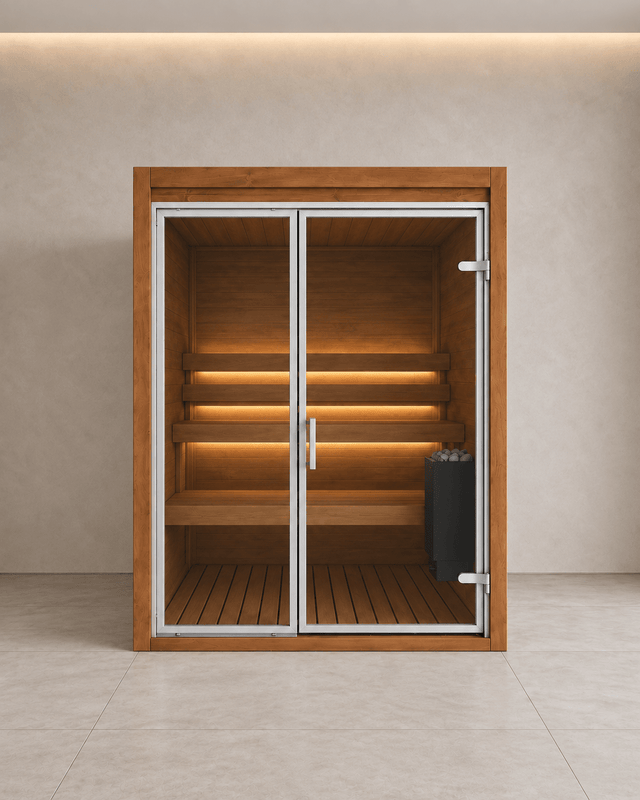
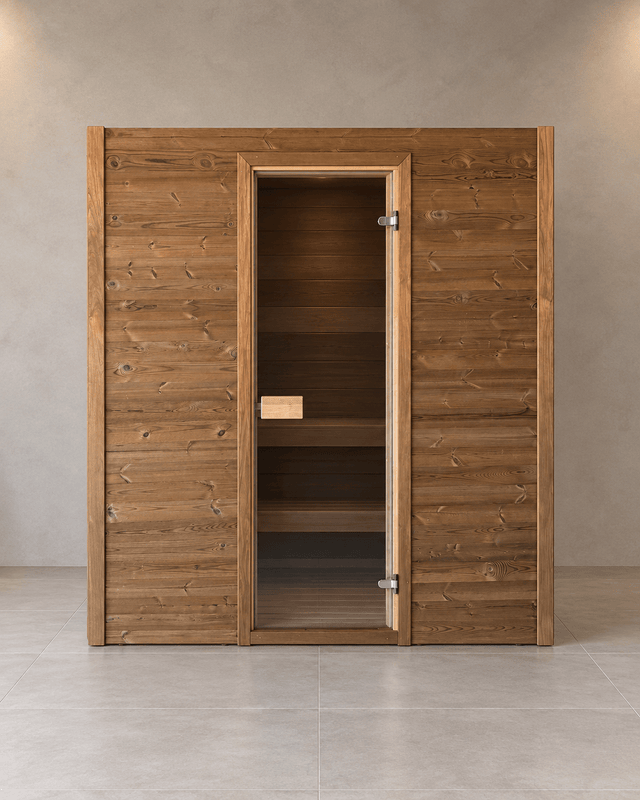
A spa at home turns any moment into a quiet ritual of relaxation. See our models:
Related post

How much does it cost to run an electric sauna at home in Europe — and how Saunamo helps lower yours

Healthy home saunas: how to avoid harmful materials and protect indoor air quality under heat

More than just a home: do saunas and spas raise property values in Europe?

From Heat to Rest: How the Sauna Helps You Sleep Deeper


